Low-volume production
Produce 10-100+ plastic-like parts for pilot runs, launch batches and bridge manufacturing without cutting production tooling.

Use silicone molds and cast polyurethane to make molded-quality prototypes, pilot batches and low-volume end-use parts with production-like color, texture and detail.
We review geometry, master pattern, silicone mold strategy, material and finish options before quoting.
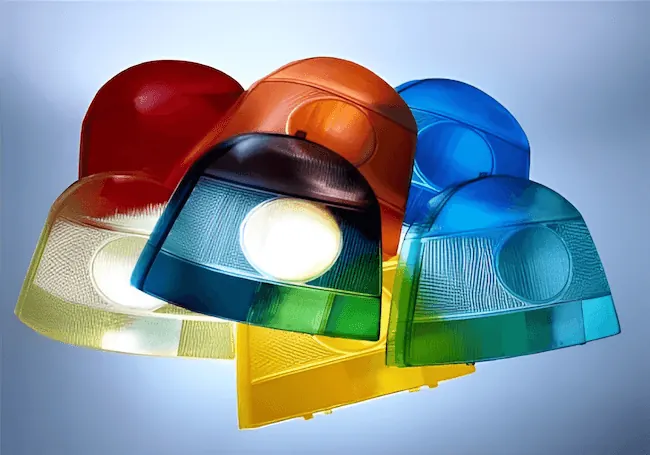
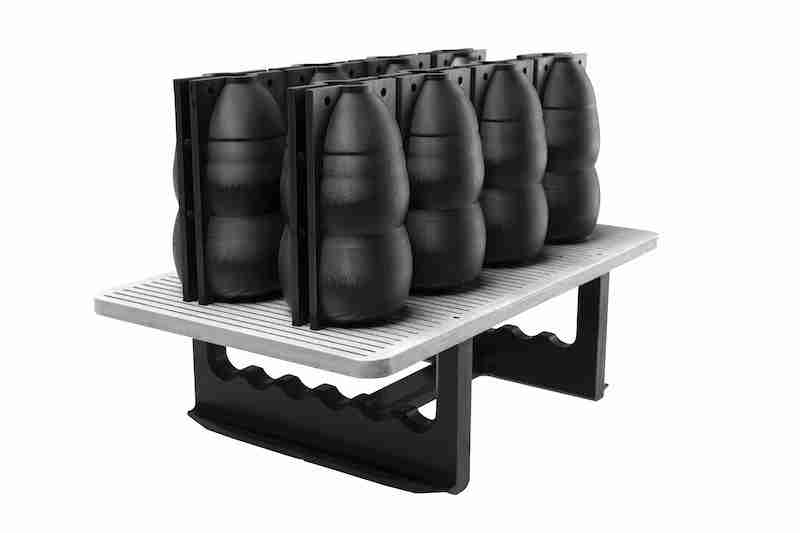
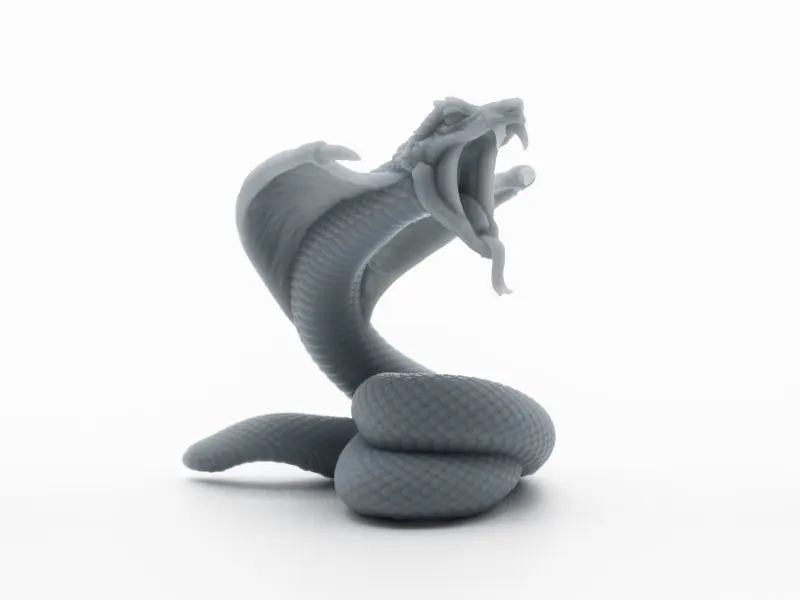
Vacuum casting starts with a high-quality master pattern, usually made by SLA printing or CNC machining. A silicone mold is formed around that master, then polyurethane resin is poured and degassed under vacuum to reduce bubbles and reproduce fine details.
The result is a short run of parts that can look and feel much closer to injection-molded plastic than raw 3D prints, without committing to metal tooling.
Use it when appearance, repeated copies and plastic-like behavior matter more than the unlimited design freedom of 3D printing.
Produce 10-100+ plastic-like parts for pilot runs, launch batches and bridge manufacturing without cutting production tooling.
Validate snap fits, housings, handles, covers and assemblies with polyurethane materials that feel closer to molded plastics.
Create user-test units, demo samples and sales models with molded-quality surfaces, color matching and brand-level presentation.
Cast transparent covers, lenses, rubber-like grips, seals and bicolor parts when standard 3D printing is not the right finish.
Select the material family by the production plastic you want to simulate, then define color, gloss, texture and secondary finishing.
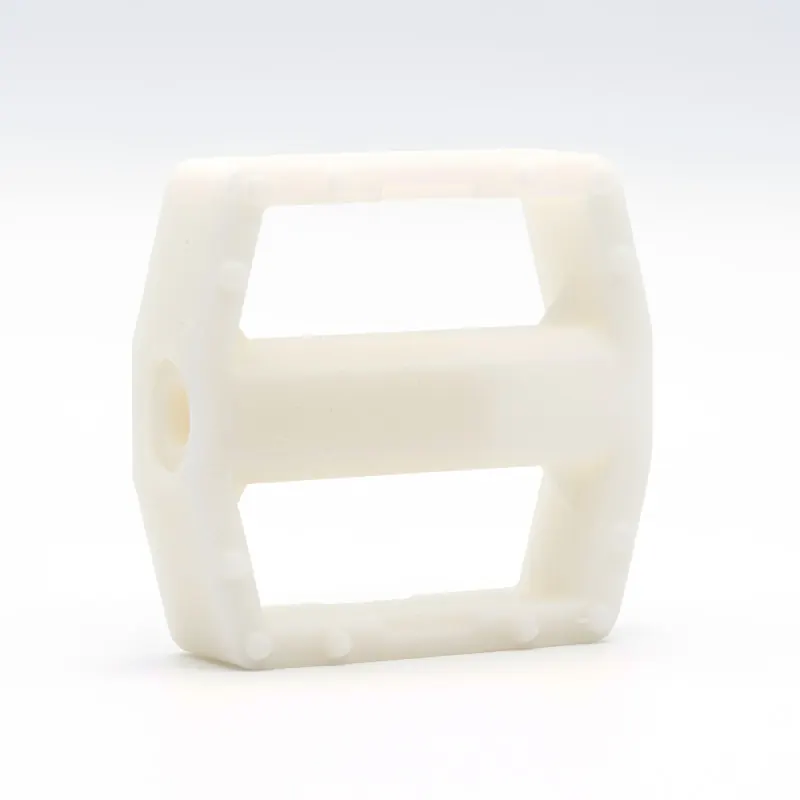
Good for enclosures, covers, brackets and cosmetic prototypes that need strength, impact resistance and a molded appearance.
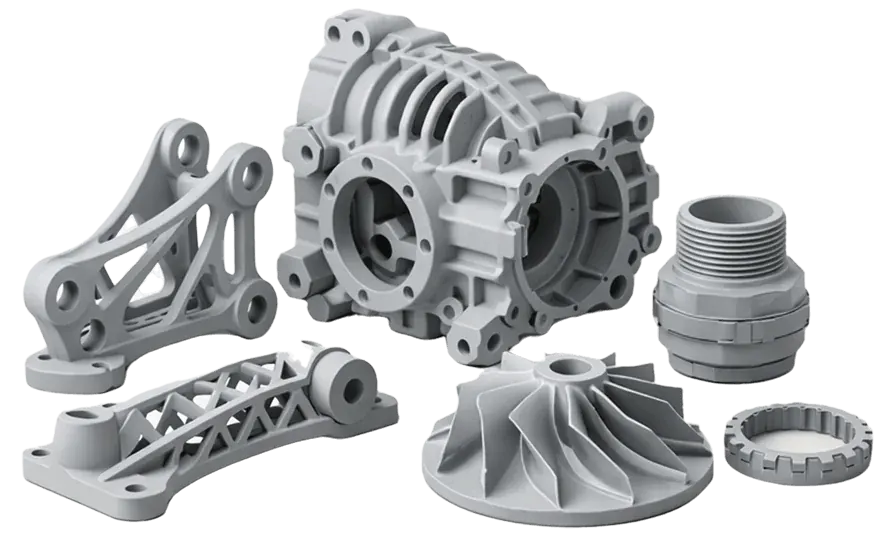
Use for living-hinge concepts, soft-touch grips, seals, gaskets and parts that need Shore A flexibility.
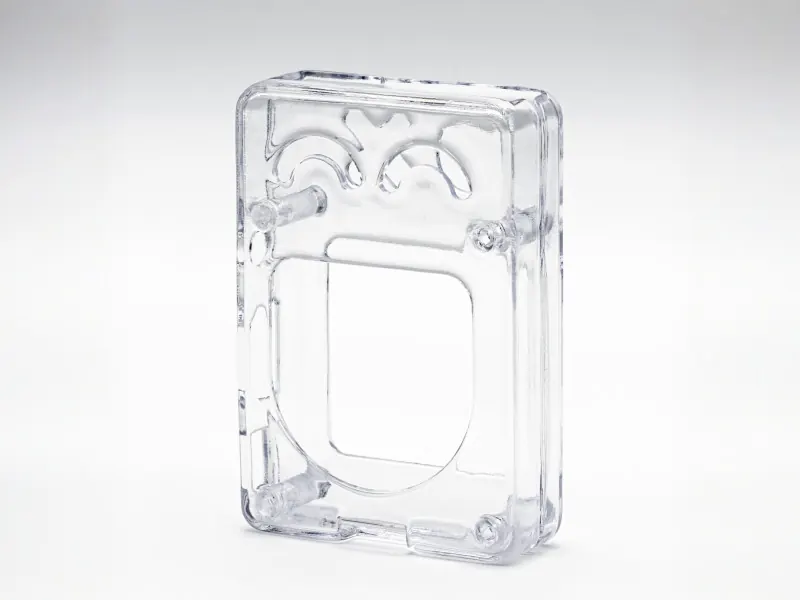
Transparent and translucent cast parts can be polished, frosted or painted for lenses, light pipes and display samples.
Pantone-style color matching, matte, semi-gloss, high-gloss, texture, painting and assembly are available after casting.
A high-resolution master is printed or machined, then sanded, polished, painted or textured to define the final surface.
The master is suspended in silicone and split into a reusable mold with gates, vents and parting lines planned around your geometry.
Polyurethane is mixed, colored and cast under vacuum so fine details reproduce cleanly with reduced voids and bubbles.
Parts are demolded, trimmed, inspected and finished with polishing, painting, texture, decals, inserts or assembly if required.
They solve adjacent problems, but they are not the same manufacturing process.
| Decision point | Vacuum Casting | Rapid Injection Moulding |
|---|---|---|
| Tooling | Silicone mold made from a master pattern; fast and lower upfront cost. | CNC machined aluminum or steel mold; higher upfront cost but stronger repeatability. |
| Material | Polyurethane materials that simulate ABS, PP, PMMA, rubber or high-temp plastics. | Real thermoplastic pellets, including engineering resins used for production. |
| Best volume | Short runs, market samples, prototypes and bridge batches before hard tooling. | Stable designs, pilot production, bridge tooling and scalable production runs. |
| Finish | Excellent cosmetic flexibility: clear, color matched, painted, textured or soft-touch. | Mold texture, material color, pad printing, inserts, assembly and production finishes. |
| Quality route | Good for visual and functional validation with practical dimensional inspection. | Better for controlled molding windows, FAI, CMM checks and documented production process requirements. |
Vacuum casting is forgiving, but the silicone mold still needs clean parting, vents, stable wall thickness and enough access to trim gates cleanly. We review every file before quoting and flag risks early.
| Feature | Guideline |
|---|---|
| Best quantity range | 10-100 parts per design is the usual sweet spot; larger short runs can be reviewed case by case. |
| Mold life | Silicone molds are best for limited batches, typically dozens of parts before detail and accuracy begin to drift. |
| General tolerance | +/-0.25 mm is a practical planning target; tighter local features can be reviewed before quote. |
| Minimum wall thickness | 0.75 mm minimum, 1.5 mm or thicker recommended for reliable casting and handling. |
| Maximum part size | Up to approximately 1500 x 1000 mm depending on geometry, wall thickness and finishing needs. |
| Typical lead time | 7-12 business days after CAD review, material confirmation and master pattern approval. |
| Files accepted | STEP, STP, STL, OBJ and reference drawings or finish notes. |
Use these answers to decide whether casting, 3D printing or rapid injection moulding is the right route for your next batch.
No. Vacuum casting uses a silicone mold and polyurethane resin around a master pattern. Injection molding injects thermoplastic resin into a machined metal mold. Vacuum casting is faster and cheaper for small batches; injection molding is stronger for scale, production resin choice and long tool life.
Choose vacuum casting when you need multiple copies with a smoother molded surface, consistent color, rubber-like or clear parts, or plastic-like feel for fit, function and market testing.
Choose rapid injection moulding when the design is stable, volume is higher, real production thermoplastics are required, or you need repeatable molding process controls and inspection documentation for production.
Yes. Transparent and translucent parts, soft rubber-like materials, painted parts and two-color effects are possible. The best route depends on wall thickness, geometry, target hardness and finish requirements.
They can closely simulate molded plastics for appearance and many functional tests, but they are polyurethane casting materials, not the same thermoplastic grades used in injection molding.
Send 3D CAD files, target quantity, material or performance requirement, color, finish, tolerance-critical features and any assembly or insert requirements.
Send CAD files, quantity, target material and finish requirements. We will recommend vacuum casting, 3D printing or injection moulding based on the part.