Rapid prototyping
Move beyond printed prototypes and test real molded thermoplastic parts before committing to full production tooling.

Fast aluminum tooling for validated designs that need production-grade molded parts, bridge production or short-run manufacturing before full-scale tooling is ready.
We check moldability, resin fit, parting line, gates, ejection, wall thickness and secondary operation needs.
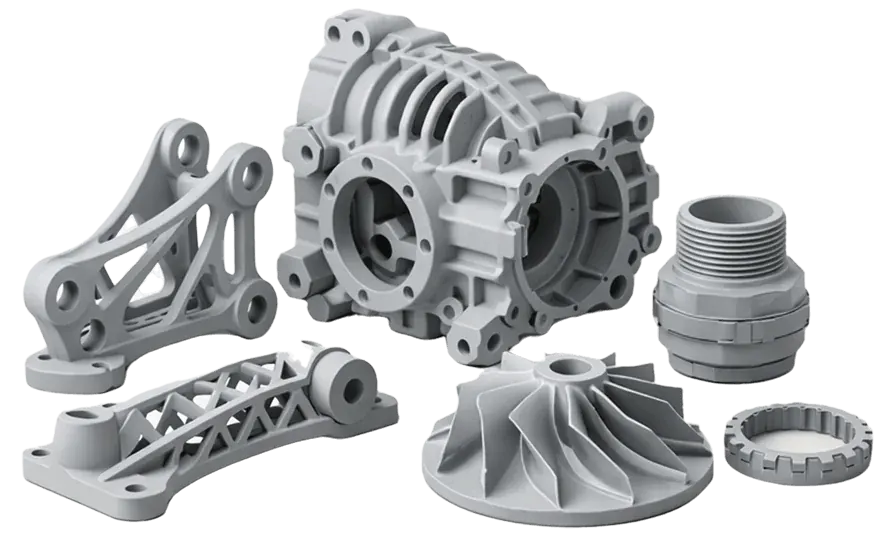
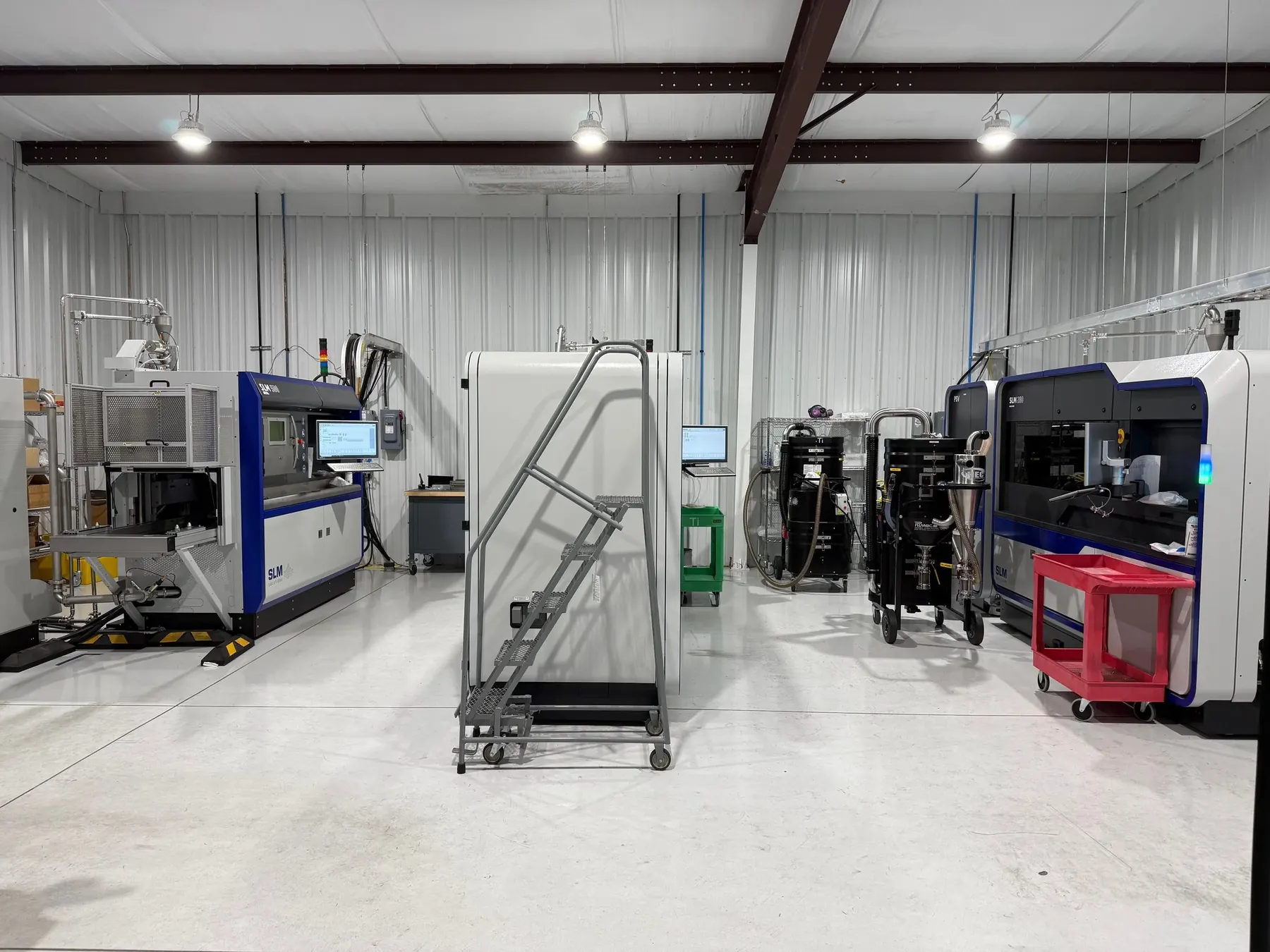
Rapid injection moulding follows the same core molding logic as production injection molding: review the CAD, cut the mold cavity, mold real thermoplastic resin, inspect first shots and then run production.
The difference is speed and tooling strategy. Aluminum tooling can be machined faster than hardened steel, making it a practical route when you need real molded parts quickly and the design is already close to production intent.
The strongest use cases are moments where you need molded parts now, but full production tooling is not ready or not yet justified.
Move beyond printed prototypes and test real molded thermoplastic parts before committing to full production tooling.
Use fast aluminum tooling for hundreds to low-thousands of parts when steel tooling is too slow or too expensive.
Replace delayed tooling or supplier gaps with a rapid mold and controlled molding run to keep a launch or assembly line moving.
Ramp gradually from validation into production while final tooling, certification or demand planning is still in progress.
We review wall thickness, draft, parting line, gates, ejectors, resin shrink and risk areas before mold build.
Aluminum mold blocks are CNC machined, fitted and prepared for the agreed resin, texture and production route.
First-shot samples are molded and checked for fit, function, appearance, gate marks and dimensional priorities.
After approval, parts move into the planned run with inspection, secondary operations and packaging as required.
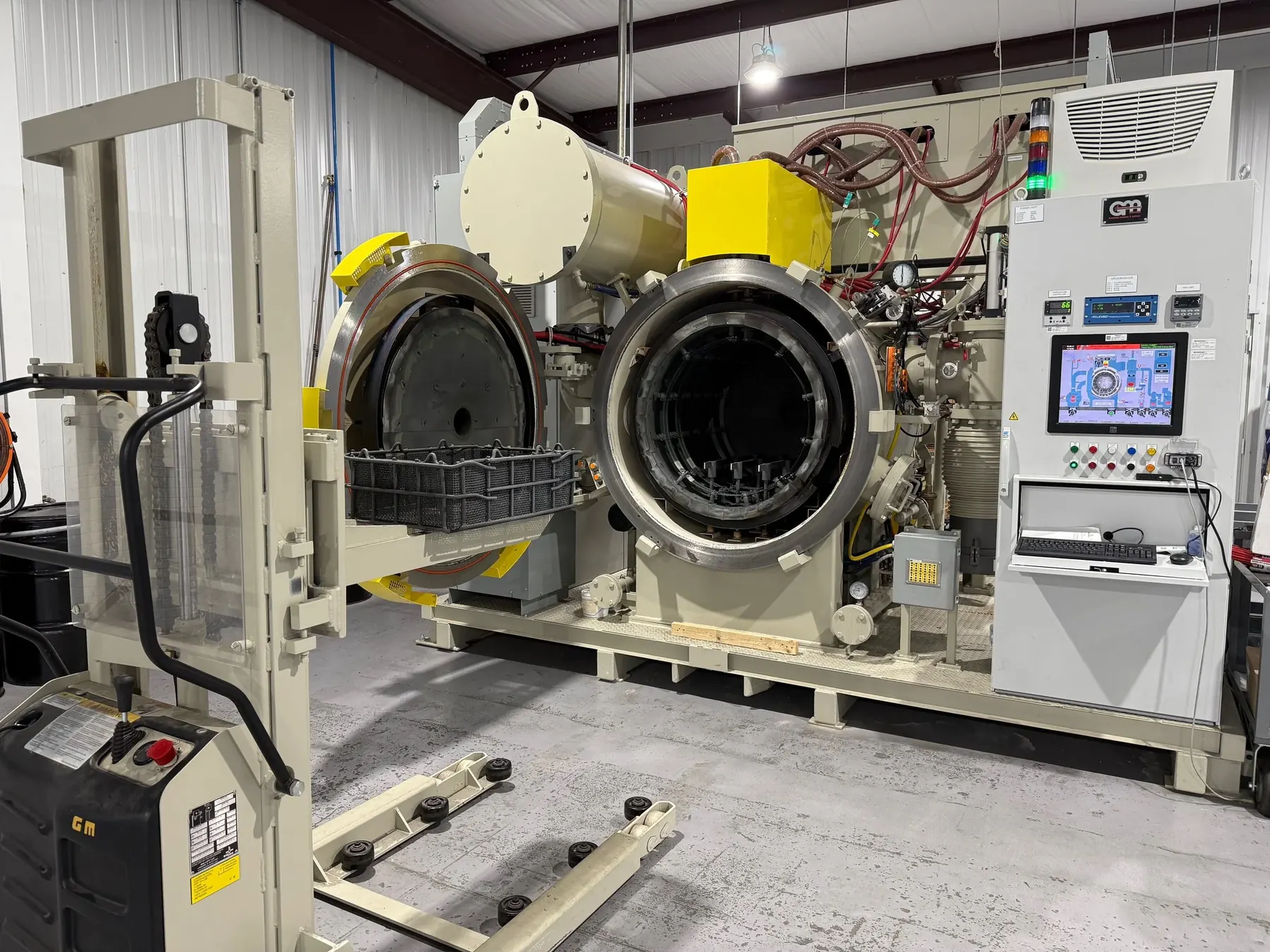
Unlike vacuum casting, rapid injection moulding uses actual thermoplastic resin. That matters when you need realistic shrink, mechanical behavior, heat resistance, chemical resistance or downstream production validation.
| ABS / PC / PC-ABS | Housings, covers, clips, brackets and cosmetic enclosures with good strength and impact resistance. |
| PP / PE | Living hinges, containers, caps and lightweight consumer parts with good chemical resistance. |
| PA6 / PA66 / GF nylon | Structural parts, connectors and components that need higher stiffness or heat performance. |
| POM / Acetal | Low-friction gears, sliders, bushings and precision mechanical features. |
| TPE / TPU | Soft-touch grips, seals, flexible features and overmold-style part families. |
| Customer-specified resin | Validated production resin can be reviewed for moldability, shrink, processing window and availability. |
Rapid tooling is fastest when the design is already injection-mold friendly. The quote stage should identify geometry that can slow tooling, create cosmetic defects or drive avoidable mold complexity.
| Feature | Planning guidance |
|---|---|
| Draft angle | Add draft wherever possible. More draft is needed on textured faces or deep walls. |
| Wall thickness | Keep walls uniform to reduce sink, warpage and long cooling cycles. Avoid thick isolated masses. |
| Ribs and bosses | Use ribs to add stiffness instead of thick walls. Bosses need support ribs and proper root radii. |
| Undercuts | Avoid undercuts when speed and cost matter. Slides, lifters or inserts add complexity and lead time. |
| Gate and ejector marks | Expect visible gate, parting line and ejector locations. Call out cosmetic faces early. |
| Tolerances | Tight tolerances depend on resin shrink, tool design, geometry and measurement method. Mark only critical dimensions. |
| Tooling life | Aluminum tools are best for rapid and bridge volumes; steel is better for high heat, abrasive resin or long production life. |
Add texture or engraving to improve grip, appearance or branding on molded surfaces.
Post-machine critical bores, faces or features when molded tolerances are not enough.
Pad printing, UV printing and laser engraving support logos, labels and part identification.
Add threaded inserts, clean parts, package kits or assemble components after molding.
| Route | Best for | Watch out for |
|---|---|---|
| 3D Printing | Fast prototypes, complex geometry, low quantities and design iteration without tooling. | Layer lines, anisotropy and production resin mismatch may matter for final validation. |
| Vacuum Casting | Small batches of plastic-like PU parts with good cosmetic finish, clear parts or rubber-like parts. | Materials simulate thermoplastics but are not the same as molded production resin. |
| Rapid Injection Moulding | Validated designs that need real resin, repeatable molding, pilot production and bridge volumes. | Requires mold-friendly geometry and tooling investment before parts can be made. |
| Production Injection Moulding | High-volume programs with hardened tooling, long tool life and mature quality documentation. | Higher upfront tooling cost and longer tooling timeline before launch. |
Use these answers to decide whether your project is ready for rapid tooling or should stay in printing and casting first.
Rapid injection moulding uses a faster tooling approach, often aluminum mold blocks, to reduce lead time and upfront cost. Conventional tooling usually uses hardened steel for longer tool life and larger production programs.
Choose rapid injection moulding when you need real thermoplastic resin, repeatable molded parts, higher quantities or a bridge into production. Vacuum casting is better for very small batches, cosmetic samples and polyurethane lookalike parts before tooling.
The answer depends on material, geometry, texture and tool design. Aluminum tools are commonly used for hundreds to low-thousands of shots, while steel tooling is the better route for very long runs or abrasive/high-temperature resins.
Yes. The part should be reviewed for wall thickness, draft, ribs, bosses, undercuts, gating, ejector locations, sink and warpage risk before tooling starts.
Depending on the part, post-molding operations can include machining, threaded inserts, pad printing, UV printing, laser engraving, assembly, cleaning, packaging and molded texture.
Send STEP/STP files, target resin, quantity range, cosmetic surfaces, tolerance-critical dimensions, expected production volume and any secondary operations or inspection requirements.
Send CAD, resin target, quantity and cosmetic requirements. We will review whether rapid injection moulding, vacuum casting or 3D printing is the most practical next step.